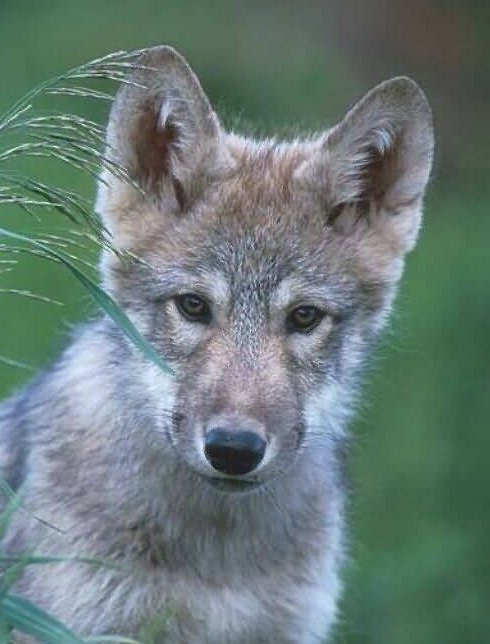
“During the 15 months the wolf known as OR7 has crisscrossed the Oregon-California border, the news from his birthplace back in Eastern Oregon has shaken the boots off some of those holding most tightly to deeply rooted misperceptions about the ability of wolves to coexist on the landscape with the rest of us.
In the two years since a lawsuit stopped the state of Oregon from killing wolves, the state’s fledgling wolf population has doubled to nearly 50. Yet in Wallowa County, where the majority of Oregon’s wolf-livestock conflicts are reported each year, fatal wolf attacks on livestock have fallen by 60 percent as ranchers and agencies were forced to rely on nonlethal conflict-prevention methods.
At the same time in neighboring Idaho, where over the last two years hunters, trappers and state agents have killed more than 700 wolves, the number of sheep and cattle killed by wolves increased by more than 75 percent.
In fact, those trends reflect exactly what biologists and wolf experts have been telling anyone who would listen since wolves became one of the first animals to be protected by the Endangered Species Act when it was passed, 40 years ago: Tried-and-true, centuries-old nonlethal wolf management techniques such as range-riding, livestock-guarding dogs and appropriate fencing greatly reduce predation by wolves on livestock.
And it reinforces the fact that killing wolves and leaving behind orphaned pups and dispersed packs actually increases the chances of livestock being killed, because once the order of the pack is destroyed, so is the natural pack discipline of teaching younger wolves to kill natural prey such as deer and elk, leaving lone wolves with no choice but to take down the easiest prey they can find to survive.
Those lessons come at a valuable time for Californians during the current public comment period, which ends in May, on whether we should protect wolves under the state Endangered Species Act.
It reminds us that as the U.S. Fish and Wildlife Service moves toward dropping federal protections for wolves in the lower 48 states, we have a great opportunity to build a wolf management plan that sets a national example of how wolves can coexist with human endeavors.
Wolf experts have long said California has hundreds of thousands of acres of excellent wolf habitat. Of course, California is also the nation’s most populated state and home to a thriving livestock industry of more than 6 million cattle and sheep.
With 163,000 square miles, California is the nation’s third-largest state, behind only Alaska and Texas. And that means we’re in a great position to share the land we’ve inherited with the species we purposefully killed off in California and many other western states.
The return of wolves to California is a promising event for many of us fortunate enough to make our home here in the Bear Republic, where the state flag, featuring an image of the state’s last known grizzly, says a lot about how we see ourselves.
Like residents of the other 49 states, we, too, are concerned about jobs, taxes, education, climate change and the length of our commutes.
But the people who make up our state’s ever-swelling population continue to represent Western ideals as old as the state, from an ongoing pioneer-style willingness to go where others have not, to a belief in fresh starts.
Even for wolves.
The arrival of OR7 in California in December 2011 shows it’s only a matter of time before wolves once again make their homes in our state. And given that animals live in ecosystems rather than states, whether OR7 decides to put down roots here is only a side issue in a much larger ecological evolution, one that wolf experts say will surely result in wolves returning permanently to California.
They’re coming – the question is, will we be ready to protect them?
Efforts to make sure those protections are in place were put in motion last fall when state officials recommended that California extend endangered species protections to OR7 and all that follow him. That recommendation will be ruled on in October.
In the meantime, let’s be clear: Recovering wolves to their historic range will take discipline and the acceptance that they, like the rest of us, have a right to be here. It won’t always be easy.
But as the mounting evidence from neighboring Oregon shows, it can be done and done well, if we’re willing.”
**Special thanks to Amaroq Weiss Special to The Bee, for providing the information in this article!
California resident Amaroq Weiss, a biologist and former attorney who has been working to recover wolves in the West for 16 years, is West Coast Wolf Organizer for the Center for Biological Diversity. Reach her at aweiss@biologicaldiversity.org
Read Full Post »

 The Wolf Preservation Blog